TecnoAqua has published a technical article on microplastics at the La Golondrina wastewater treatment plant (WWTP) in Córdoba (Spain), operated by Emacsa. It summarises a research project promoted by the Emacsa Chair together with the company Captoplastic. The authors are Amparo Fernández Benito, Belén Carboneras Contreras and Gonzalo Vega Marcilla, of Captoplastic, and Rafael Marín Galvín, former head of Quality Control at Emacsa and former director of the Emacsa Chair.
The authors start from the recast Urban Wastewater Treatment Directive, Directive (EU) 2024/3019, after which the control of microplastics has become a growing priority, and from a practical difficulty: there are no harmonised methods for quantifying them in wastewater and sludge, which makes results hard to compare.
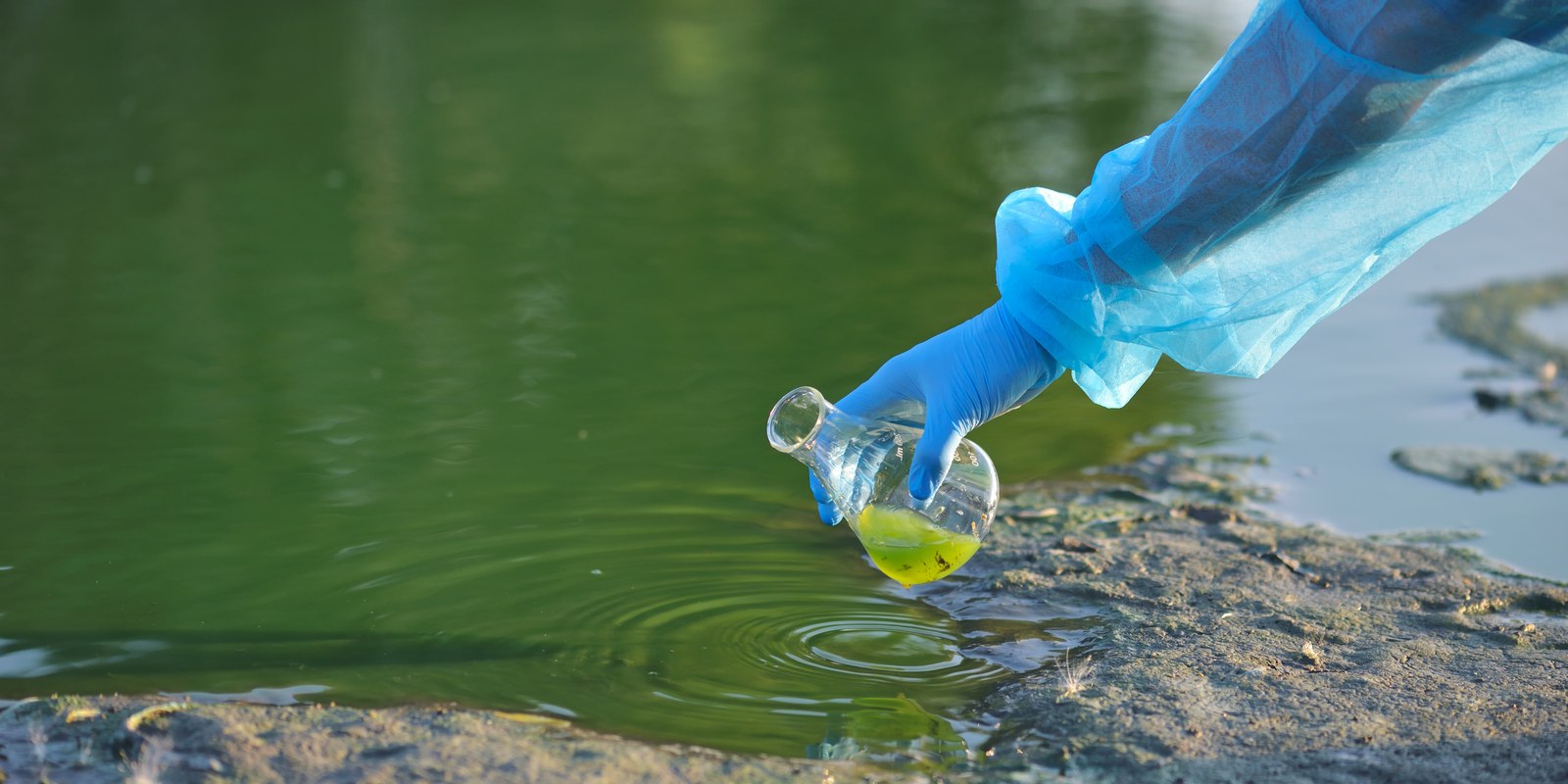
La Golondrina is an activated sludge plant that treats 26.21 hm³ of water a year and produces around 7,438 tonnes of dewatered sludge annually. The team took samples at the inlet, at the outlet and from the sludge, in dry weather (October 2025) and during rainfall events (March 2026). It quantified microplastics by mass (mg/L in water and mg/g in dewatered sludge) and identified the polymers by FTIR spectroscopy.
What they found:
- In dry weather, the concentration fell from 14.38 mg/L in raw wastewater to 0.22 mg/L in treated effluent, a 98% reduction. In load terms, from around 457 kg/d to 7 kg/d.
- In wet weather less microplastic reached the plant, there was a smaller variety of types and the reduction was smaller: from 2.11 mg/L at the inlet to 0.45 mg/L at the outlet, 78%. In load terms, from 67 kg/d to 14 kg/d.
- Microplastics accumulate in the dewatered sludge, where the polymer used to dewater it was also found. The estimated content in the sludge was 176 kg/d in dry weather and 144 kg/d in wet weather.
The amounts measured in the sludge do not match the difference between inlet and outlet loads (around 450 kg/d in dry weather and 53 kg/d in wet weather). The authors note that the sampling design does not allow a strictly representative mass balance to be closed, and ask for the results to be read with caution.
The cost of adapting Spanish treatment plants to the new directive was summarised in the news item on the iAgua Data report.
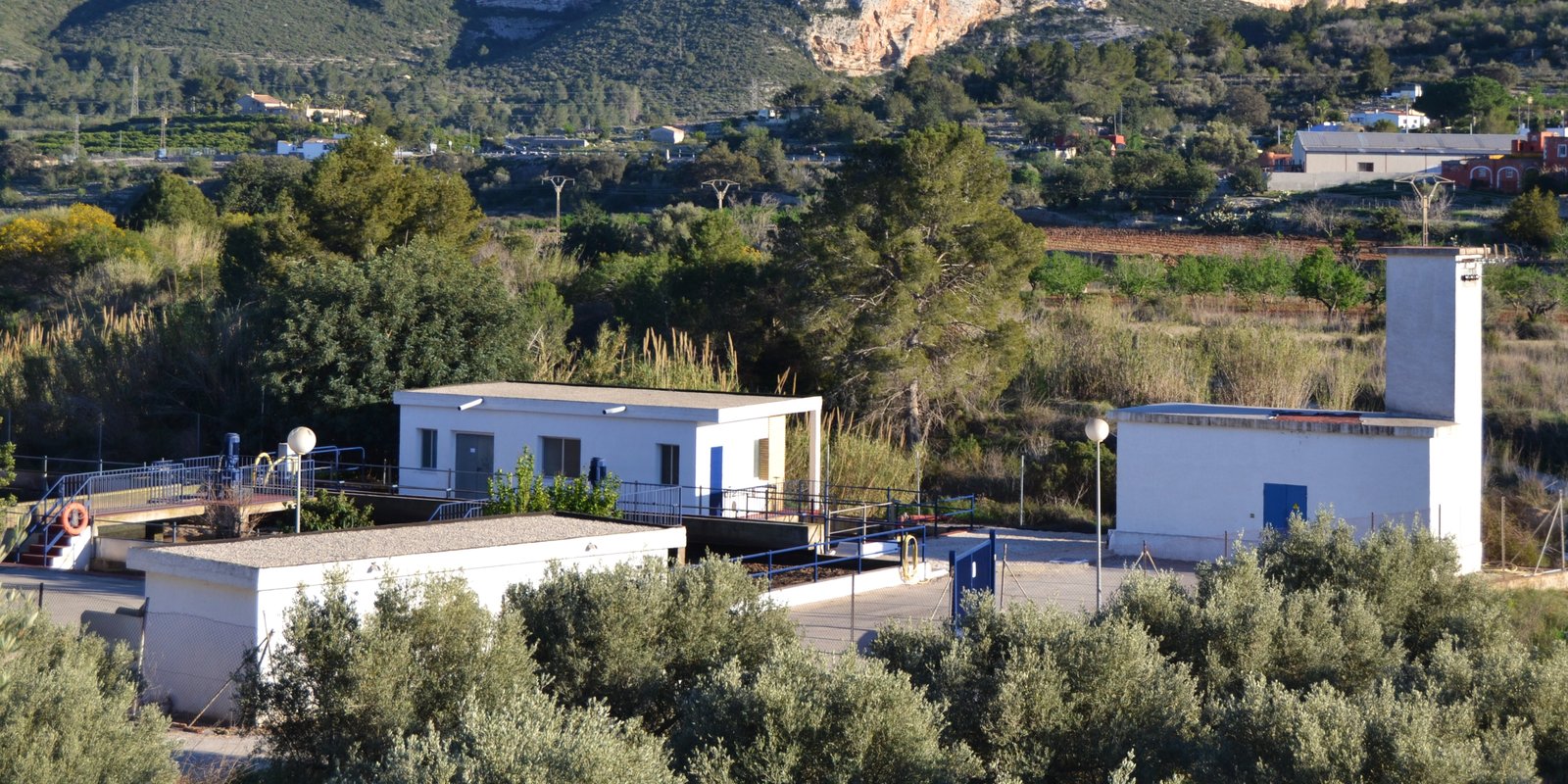
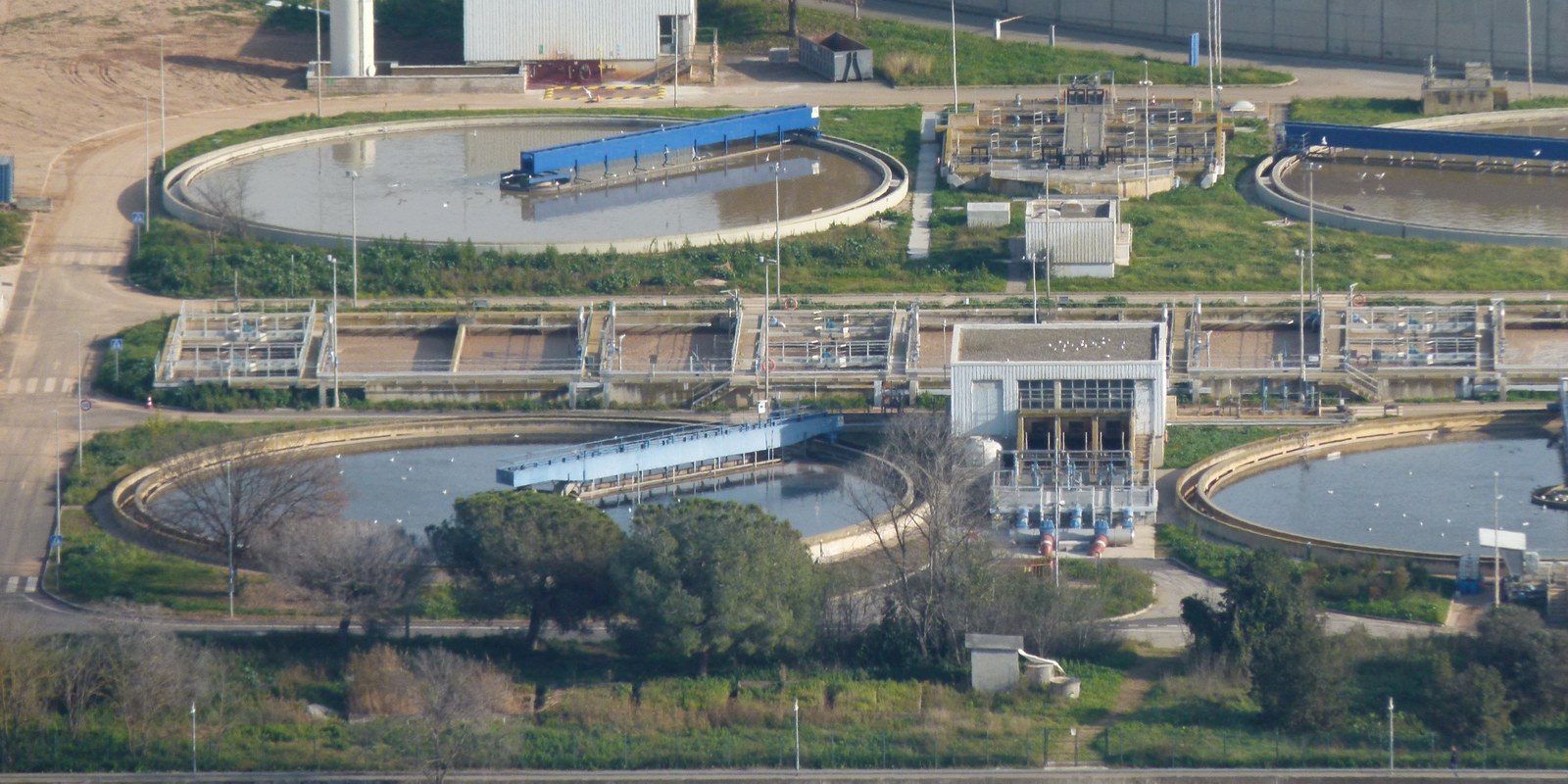
Sources: A. Fernández Benito, B. Carboneras Contreras, G. Vega Marcilla and R. Marín Galvín, “Evaluación de microplásticos en aguas residuales y fangos del saneamiento de Córdoba en tiempo seco y húmedo” (Microplastics in wastewater and sludge from the Córdoba sewerage system in dry and wet weather), TecnoAqua, 19 October 2026 (full article, PDF, in Spanish). Image: clarifiers at the Montcada i Reixac wastewater treatment plant (Barcelona). Pere López Brosa, CC BY-SA 4.0, via Wikimedia Commons (cropped).