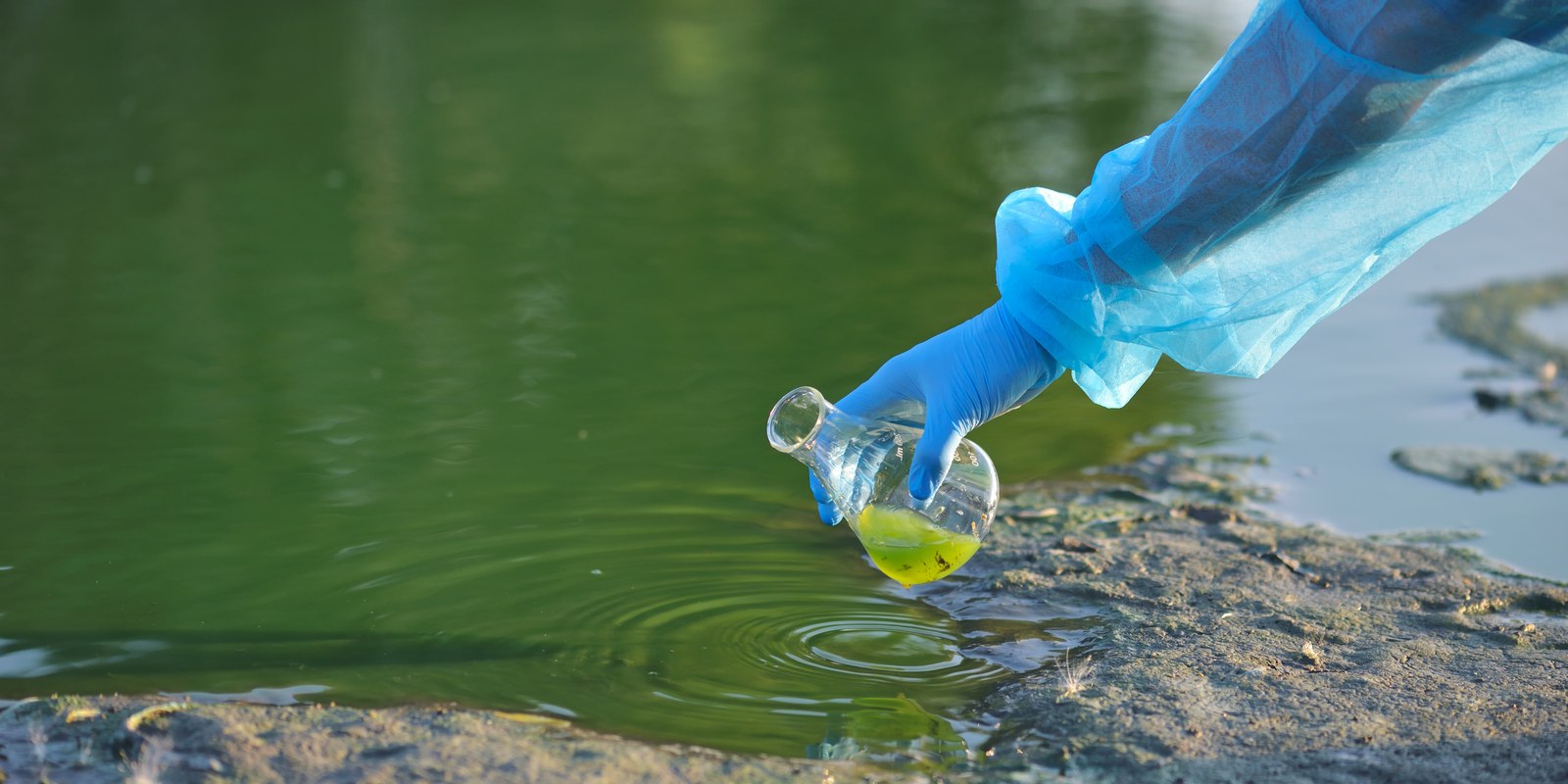
The technology centres AINIA, the Energy Technology Institute (ITE) and INESCOP have launched Prisma-D, a project to develop a platform for the early detection of contaminants and chemical and biological threats in water, sludge, food and other complex environments. It is coordinated by AINIA and supported by the Valencian Institute for Competitiveness and Innovation (IVACE+i) and the European Regional Development Fund (ERDF), under the Strategic Technologies for Europe Platform (STEP).
According to AINIA, the aim is to obtain fast, reliable information to identify risks, reduce the exposure of workers and act sooner. The platform will bring together technologies that are currently used separately:
- Ground and aerial robots to monitor potentially contaminated sites and take environmental samples remotely, reducing workers’ direct exposure.
- Biosensors to analyse biological and chemical hazards, such as pathogens.
- Advanced photonic and analytical technologies to detect and characterise physical, chemical and biological contaminants in complex matrices.
- Artificial intelligence to combine data from sensors, analytical equipment and autonomous systems, and to support decision-making.
All of this will be integrated into a prototype, which will be validated to check that the platform works as a whole. The partners name water management and treatment, the agri-food industry, environmental monitoring and critical infrastructure among its fields of application. The project is just starting: the announcement gives no budget or timeline.
Sources: TecnoAqua, 19 October 2026, and AINIA press release, 19 October 2026. Image: taking a water sample from a lake. Environment Protection Authority Victoria, CC BY 4.0, via Wikimedia Commons (cropped).