The Spanish trade magazine IndustriAmbiente devotes a feature in its October issue to energy recovery from waste, using the Maresme Integrated Waste Recovery Centre (Centro Integral de Valorización de Residuos del Maresme) in Mataró (Barcelona) as an example. An extract appeared on its website on 22 October.
Energy recovery deals with the fraction of waste that cannot be recovered as material. Recyclable materials are separated first; the rest can undergo controlled thermal treatment, and the heat produces steam, which is used to generate electricity or supplied to heating networks and nearby facilities. The feature presents it as a complement to recycling, not a substitute: prevention, reuse and recycling remain the priorities, and energy recovery is aimed at what has no material outlet, to reduce the amount sent to landfill. It also stresses flue gas treatment and emissions monitoring.
According to the feature, Veolia applies this approach under its GreenUp strategy, combining sorting, materials recovery and energy recovery according to the characteristics of each facility and the needs of the area.
The Mataró centre is run by the joint venture UTE TEM, in which Veolia has a stake (47%, according to the case study on its website). It serves 28 municipalities in the county, with around 470,000 inhabitants, and combines sorting, biostabilisation, anaerobic digestion and energy recovery. According to the feature, it produces 93,000 MWh of electricity a year; Veolia’s case study gives more than 90,000 MWh a year. Part of the heat is used in an urban network: according to Veolia, the centre supplied 22,656 MWh of heat to the district heating network in 2025.
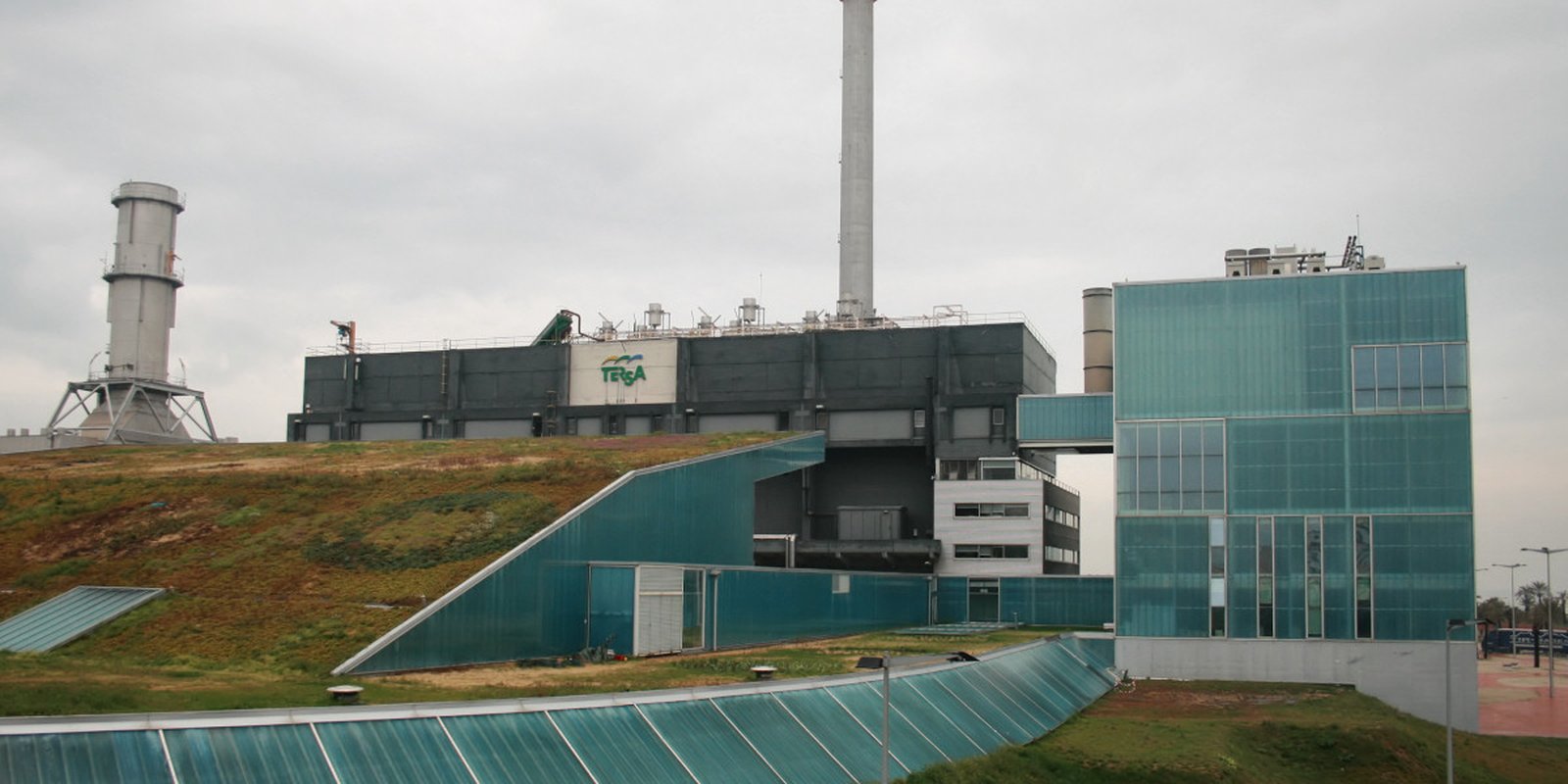
Sources: IndustriAmbiente, 22 October 2026, and full feature, October 2026 issue; Veolia, case study of the Maresme centre (all in Spanish). Image: TERSA waste-to-energy plant in Sant Adrià de Besòs (Barcelona, Spain). Jorge Franganillo, CC BY 3.0, via Wikimedia Commons (cropped).