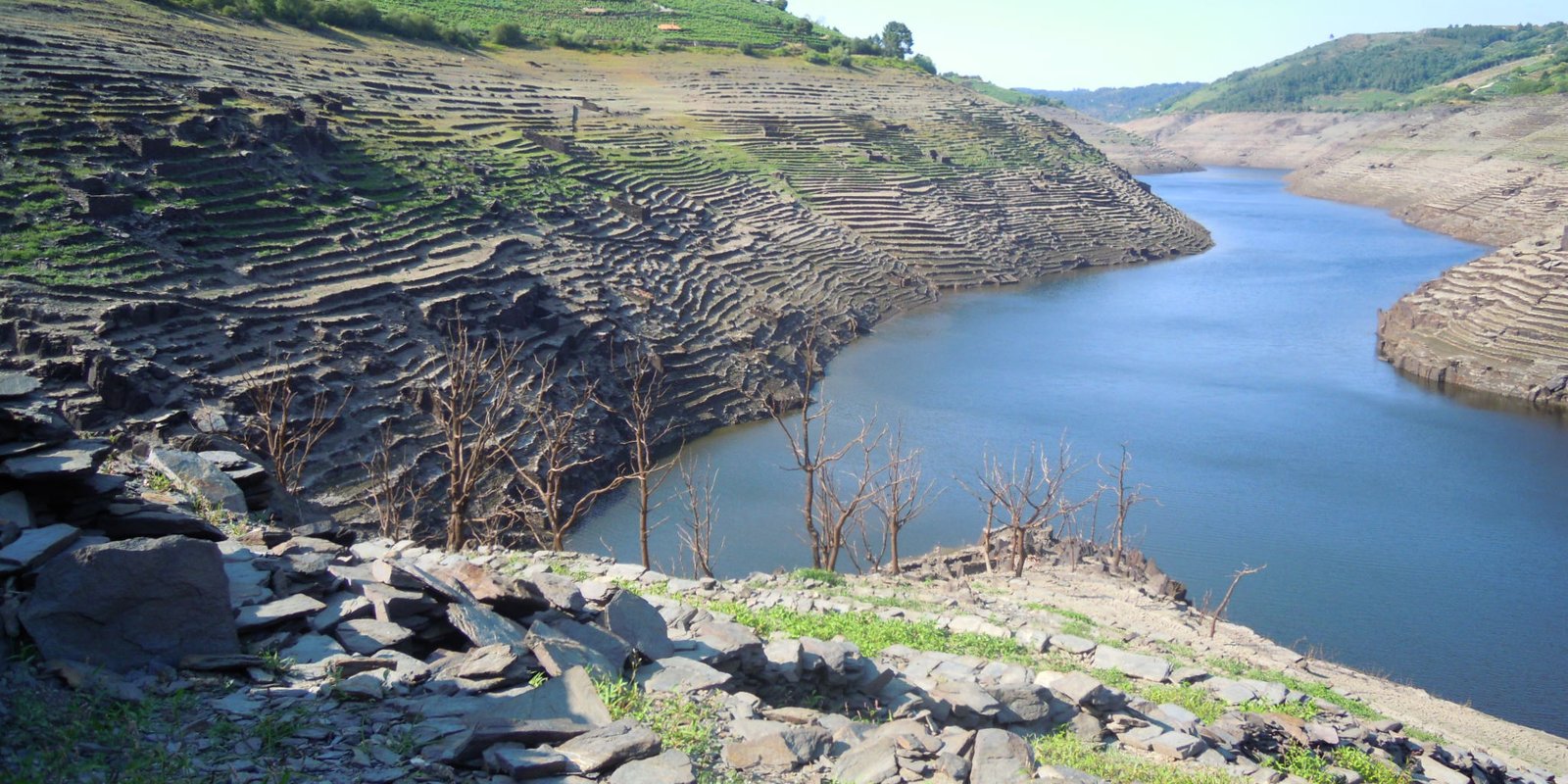
The Miño-Sil River Basin Authority (CHMS) held the fourth meeting of its Drought Technical Office in Ourense on 3 November, following those of August, September and October. The authority maintains its temporary scarcity scenario in four territorial units: Upper Miño, Lower Miño, Lower Sil and Limia. According to its chairman, José Antonio Quiroga, it is a situation that, “while still meeting the guarantee criteria for the recognised demands, restricts non-priority uses”.
According to the data presented by CHMS at the meeting, since 1 October the river basin district had received an average of 22 l/m² of rainfall, 80% less than the October average, and rainfall between March and October had been particularly scarce. River flows were 68% below normal, and reservoirs were at 48.6% of capacity.
CHMS has asked municipalities to keep up the water-saving measures they introduced during the dry season, such as avoiding street washing and the watering of gardens and sports grounds, or doing without public fountains, and stresses that supply to the population comes first. Quiroga also called for awareness campaigns: “Taking measures and raising public awareness of the rational and responsible use of water is essential to mitigate the effects of the shortage, in the short and medium term.”
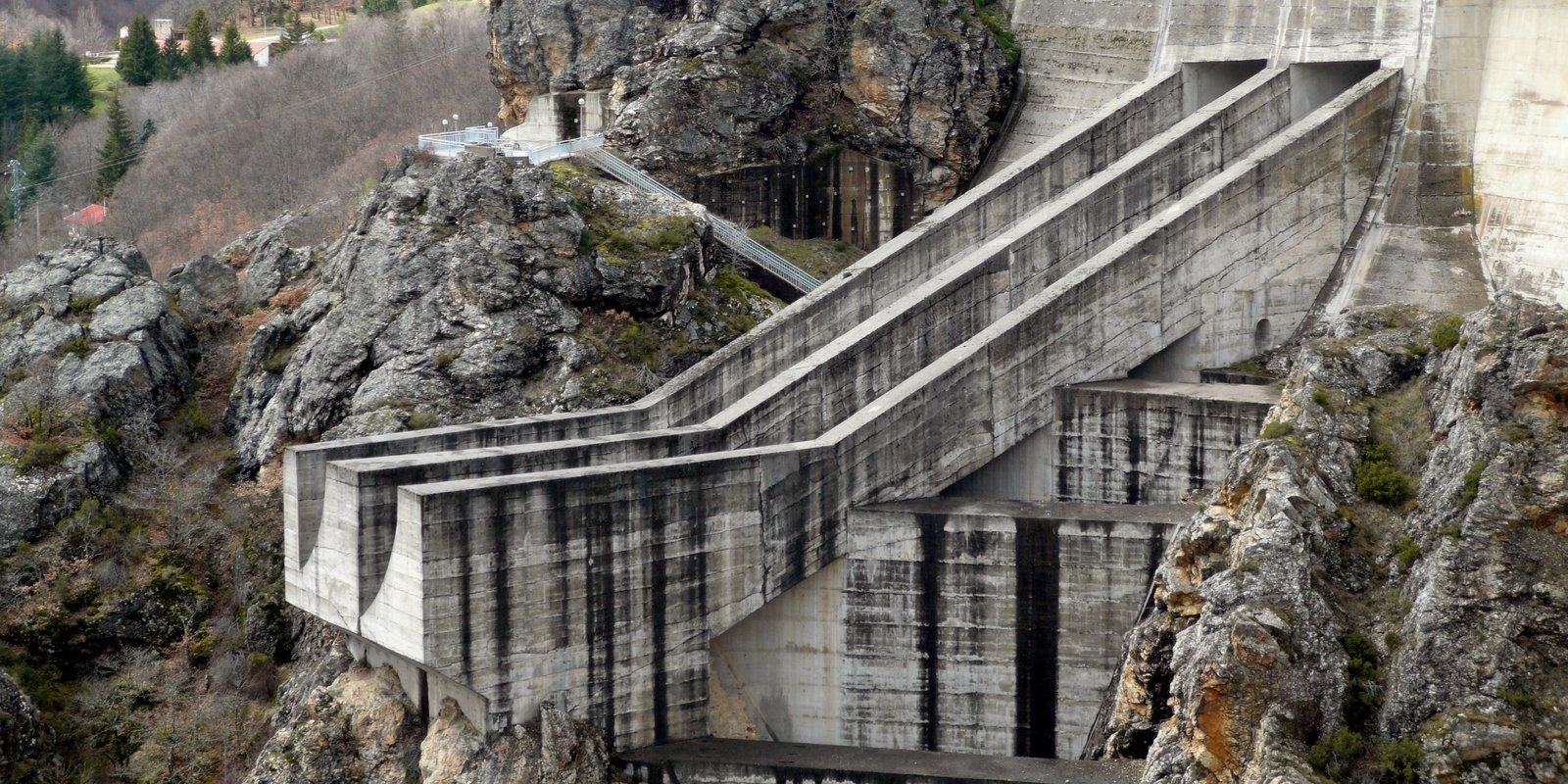
Sources: iAgua, 3 November 2026, with the data presented by CHMS, and CHMS on X, 4 November 2026 (both in Spanish). Image: Belesar reservoir on the Miño river (Lugo, Spain), in 2011. Adrián Estévez, CC BY-SA 4.0, via Wikimedia Commons (cropped).