
In early October the Facsa-Fovasa Chair at the Universitat Politècnica de València (UPV) and the Júcar River Basin Authority (Confederación Hidrográfica del Júcar, CHJ) devoted a conference to water reuse, entitled “Agua regenerada: ciencia y casos prácticos de un recurso imprescindible en la actualidad” (Reclaimed water: science and case studies of an essential resource today). According to the report published in TecnoAqua, it was attended, in person or online, by more than 300 professionals from public authorities, river basin authorities, water utilities, universities, laboratories, engineering firms, irrigation communities and the farming sector.
According to data from the Valencian Region’s public wastewater treatment agency (Entitat Pública de Sanejament d’Aigües Residuals de la Comunitat Valenciana, EPSAR) quoted in the report, 127.82 hm³ were reused directly in the region in 2025. There were 95 treatment plants producing reclaimed water, and 99.13% of that volume went to agriculture. The report reads these figures as showing a resource already established in irrigation, with room for other uses (urban, industrial or environmental), such as watering green spaces.
Wider use requires guarantees. The conference discussed how to make sure the water is fit for each purpose, from controlling microorganisms to monitoring its quality throughout the process. Beyond irrigation, more demanding applications are starting to be explored, such as indirect potable reuse. The report cites the experience of the River Llobregat as showing that reclaimed water can be returned to the water system before being abstracted and treated for public water supply.
The speakers included technical staff from EPSAR and Esamur (the Murcia region’s wastewater agency), environmental health officials from the Valencian and Catalan regional governments, representatives of research centres such as CEBAS-CSIC, IATA-CSIC and IMDEA Agua, and representatives from Elche: the City Council, Aigües i Sanejament d’Elx and the Comunidad de la Acequia Mayor del Pantano de Elche.
Agriculture served as an example of consolidated reuse: in some cases, such as Elche and Jumilla, all the water leaving the treatment plant is reused. The users’ round table brought together Fecoreva (the Valencian federation of irrigation communities), the irrigation communities of Vila-real, Monforte del Cid and Miraflores, and the Acequia Mayor. Irrigators called for reclaimed water to be incorporated into irrigation as a complementary and stable source, for better information so that users trust it, and for easier access wherever it helps meet demand. According to the report, this is a necessary step for reclaimed water to stop being seen merely as an alternative and to consolidate its place in water planning.
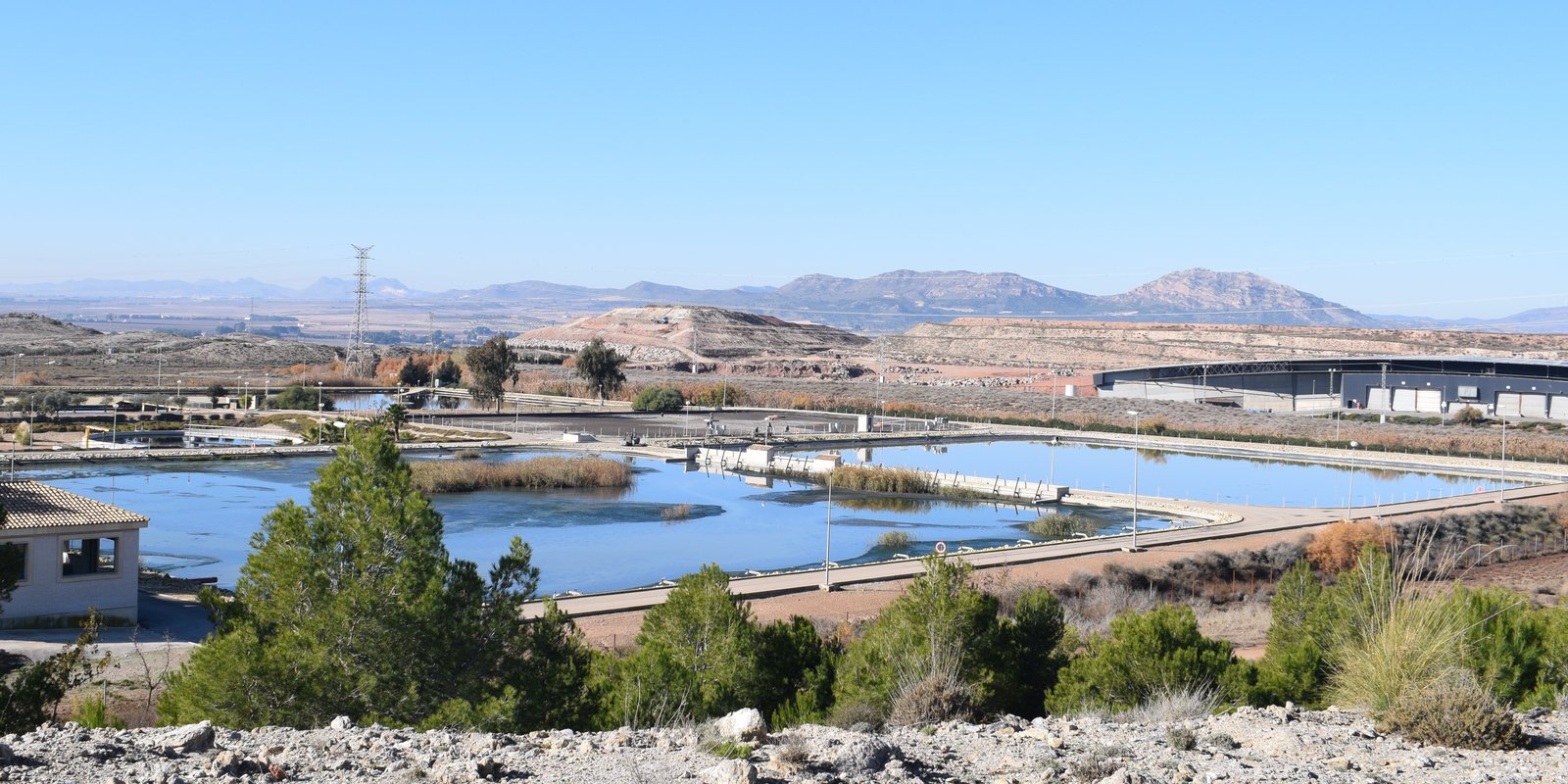
Sources: TecnoAqua, 9 October 2026, and UPV, conference announcement, 22 September 2026. Image: Villena wastewater treatment plant (Alicante). Enrique Íñiguez, CC BY-SA 4.0, via Wikimedia Commons (cropped).


